The Bridge
dir. Bernhard Wicki
81
6 sourcesSynopsis
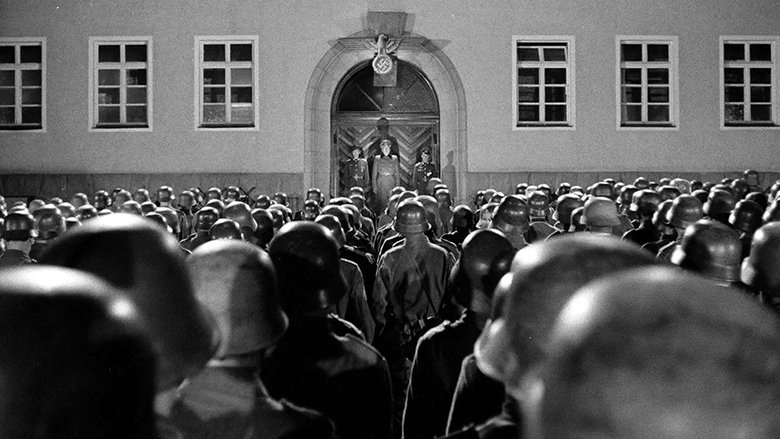
A group of German boys are ordered to protect a small bridge in their home village during the waning months of the second world war. Truckloads of defeated, cynical Wehrmacht soldiers flee the approaching American troops, but the boys, full of enthusiasm for the "blood and honor" Nazi ideology, stay to defend the useless bridge. The film is based on a West German anti-war novel of the same name, written by Gregor Dorfmeister.
What resonated with audiences
'The Bridge' stands as one of cinema's most powerful anti-war statements, praised for its thought-provoking social commentary and devastating portrayal of youth thrust into combat. The coming-of-age tragedy and emotional weight deeply resonate with audiences. However, opinions divide on historical accuracy and realism in depicting civilian life, while performances receive mixed reactions with some finding actors too old for their teenage roles. Despite these criticisms, most consider it an enduring classic that fundamentally challenges perspectives on war's futility.
Directed byBernhard Wicki
StarringFolker Bohnet, Fritz Wepper, Michael Hinz, Frank Glaubrecht, Karl Michael Balzer, Volker Lechtenbrink
Written byMichael Mansfeld, Karl-Wilhelm Vivier, Bernhard Wicki
CinematographyGerd von Bonin
EditingCarl Otto Bartning
MusicHans-Martin Majewski
The Bridge
1959 · 1h 43m
Drama, History, War
A group of German boys are ordered to protect a small bridge in their home village during the waning months of the second world war. Truckloads of defeated, cynical Wehrmacht soldiers flee the approaching American troops, but the boys, full of enthusiasm for the "blood and honor" Nazi ideology, stay to defend the useless bridge. The film is based on a West German anti-war novel of the same name, written by Gregor Dorfmeister.
Our Verdict
81
'The Bridge' stands as one of cinema's most powerful anti-war statements, praised for its thought-provoking social commentary and devastating portrayal of youth thrust into combat. The coming-of-age tragedy and emotional weight deeply resonate with audiences. However, opinions divide on historical accuracy and realism in depicting civilian life, while performances receive mixed reactions with some finding actors too old for their teenage roles. Despite these criticisms, most consider it an enduring classic that fundamentally challenges perspectives on war's futility.
 Letterboxd
 Rotten Tomatoes
 Metacritic
 IMDb
IMDb AlloCiné
 Douban
 FilmAffinity
 Filmweb
 Kinopoisk