The Lost Weekend
dir. Billy Wilder
83
6 sourcesSynopsis
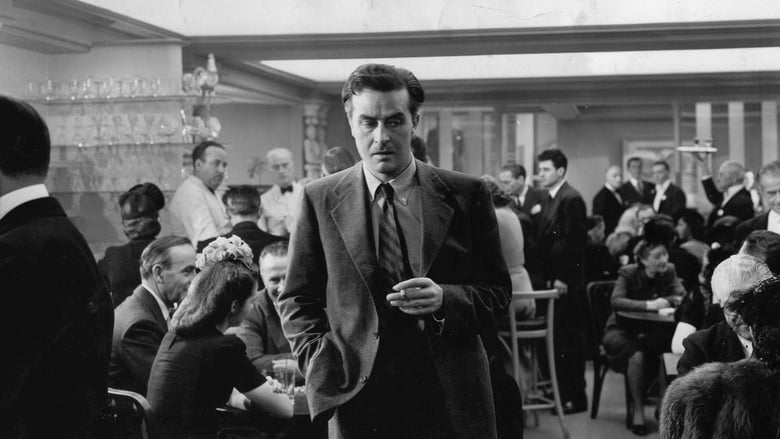
Longtime alcoholic Don Birnam has been sober for ten days and appears to be over the worst... but his craving has just become more insidious. Evading a country weekend planned by his brother and girlfriend, he begins a four-day bender that just might be his last – one way or another.
Critics consensus
Director Billy Wilder's unflinchingly honest look at the effects of alcoholism may have had some of its impact blunted by time, but it remains a powerful and remarkably prescient film.
What resonated with audiences
'The Lost Weekend' is a groundbreaking film with a realistic portrayal of alcoholism. Ray Milland's performance as Don Birnam is praised for its depth. Billy Wilder's direction and the film's visual style, including deep focus and Miklós Rózsa's haunting score, effectively convey addiction's despair. However, some find it melodramatic and repetitive, with an unrealistic ending. Despite criticisms, it is regarded as powerful and influential in cinema.
Directed byBilly Wilder
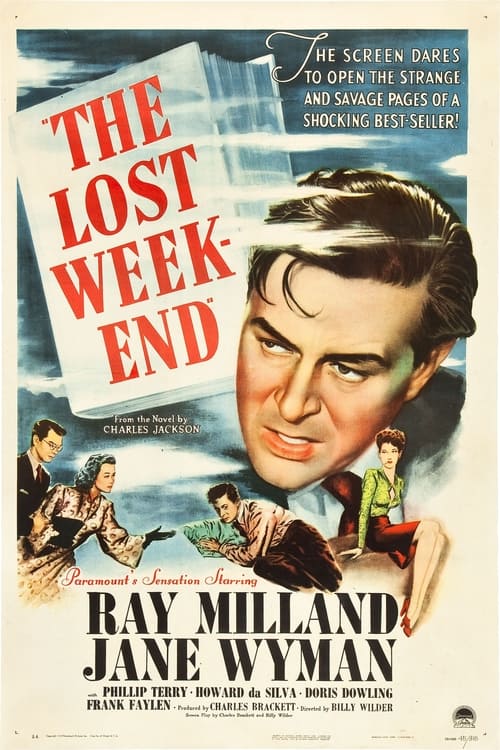
StarringRay Milland, Jane Wyman, Phillip Terry, Howard Da Silva, Doris Dowling, Frank Faylen
Written byCharles Brackett, Billy Wilder
CinematographyJohn F. Seitz
EditingDoane Harrison
MusicMiklós Rózsa
The Lost Weekend
1945 · NR · 1h 41m
Drama
Longtime alcoholic Don Birnam has been sober for ten days and appears to be over the worst... but his craving has just become more insidious. Evading a country weekend planned by his brother and girlfriend, he begins a four-day bender that just might be his last – one way or another.
Our Verdict
83
What resonated with audiences
'The Lost Weekend' is a groundbreaking film with a realistic portrayal of alcoholism. Ray Milland's performance as Don Birnam is praised for its depth. Billy Wilder's direction and the film's visual style, including deep focus and Miklós Rózsa's haunting score, effectively convey addiction's despair. However, some find it melodramatic and repetitive, with an unrealistic ending. Despite criticisms, it is regarded as powerful and influential in cinema.
Critics Consensus
Director Billy Wilder's unflinchingly honest look at the effects of alcoholism may have had some of its impact blunted by time, but it remains a powerful and remarkably prescient film.
 Letterboxd
 Rotten Tomatoes
 Metacritic
 IMDb
IMDb AlloCiné
 Douban
 FilmAffinity
 Filmweb
 Kinopoisk